Committees
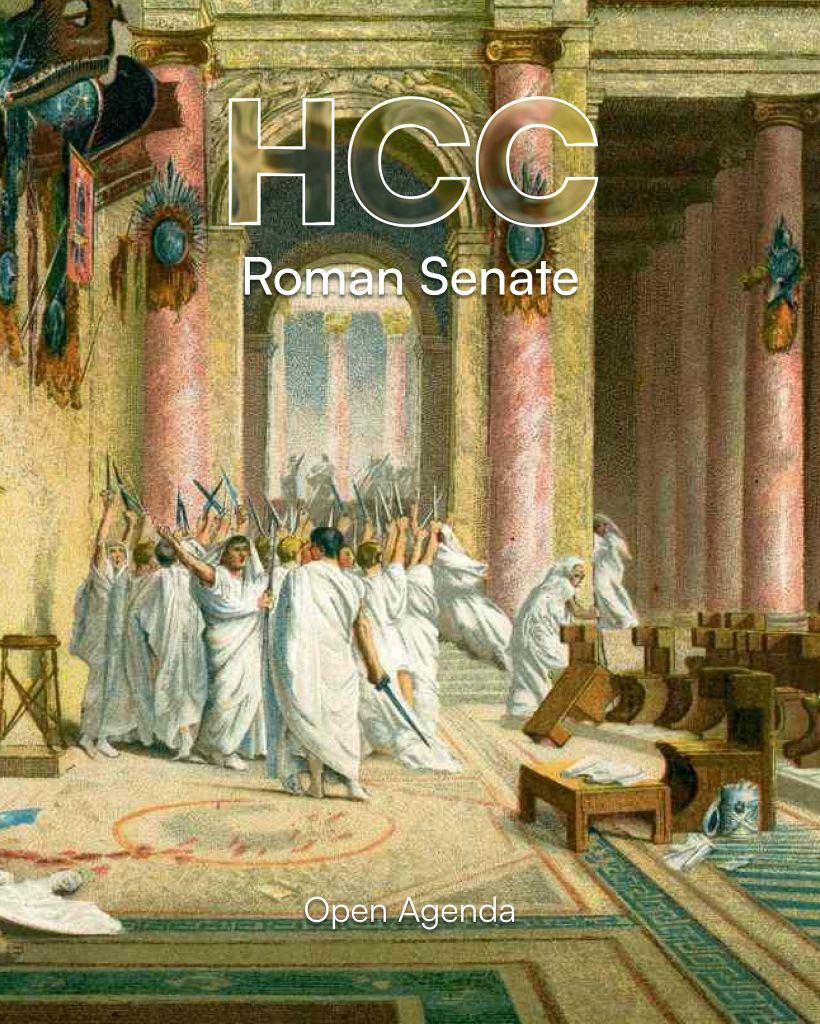
Roman Senate
Agenda: Open Agenda The Roman Senate offers delegates a unique opportunity to step into the political world of Ancient Rome, where power, ambition, and rhetoric shaped the fate of an empire. With an open agenda, senators are free to introduce crises, reforms, wars, economic issues, or social conflicts that threaten the stability of Rome. Delegates must rely on persuasive speech, strategic alliances, and political maneuvering to protect their interests and influence the direction of the Republic. This committee is fast-paced, unpredictable, and driven by debate, making it ideal for delegates who enjoy dynamic role-play and high-level diplomacy
World Health Organization
Agenda: Eating Disorders in Young People and Adolescents The World Health Organization addresses global public health challenges that affect millions of lives. Under the agenda “Eating Disorders in Young People and Adolescents,” delegates will examine the rising prevalence of conditions such as anorexia, bulimia, and binge-eating disorder, as well as the social, psychological, and digital factors that contribute to them. This committee will focus on prevention, early intervention, mental health support systems, and the role of schools, families, and healthcare providers. Delegates are expected to design compassionate, evidence-based policies that protect young people’s physical and emotional well-being worldwide.
Economic and Financial Committee
Agenda: How to Utilize Emerging Technologies to Combat Money Laundering in the Age of Digital Currencies and Cryptocurrency-Based Crime The Economic and Financial Committee (ECOFIN) focuses on global financial stability, economic growth, and the integrity of international financial systems. Under this agenda, delegates will address the rising threat of money laundering and financial crime driven by cryptocurrencies, digital assets, and decentralized finance. Participants will debate how emerging technologies such as artificial intelligence, blockchain tracking, and international data-sharing frameworks can be used to detect illegal transactions while preserving financial innovation. This committee challenges delegates to balance security, privacy, and economic freedom in the rapidly evolving digital economy.
United Nations General Assembly
Agenda: Ensuring Gender Equality and Women’s Empowerment The United Nations General Assembly brings together all member states to address the most pressing global challenges through diplomacy, cooperation, and policy-making. Under the agenda “Ensuring Gender Equality and Women’s Empowerment,” delegates will examine structural inequalities, social barriers, access to education and employment, and the role of governments in creating inclusive societies. Delegates are expected to debate international frameworks, propose actionable global initiatives, and build consensus on policies that promote equal rights, economic participation, and leadership opportunities for women and girls worldwide. This committee challenges participants to think critically about justice, development, and human rights on a truly global scale.
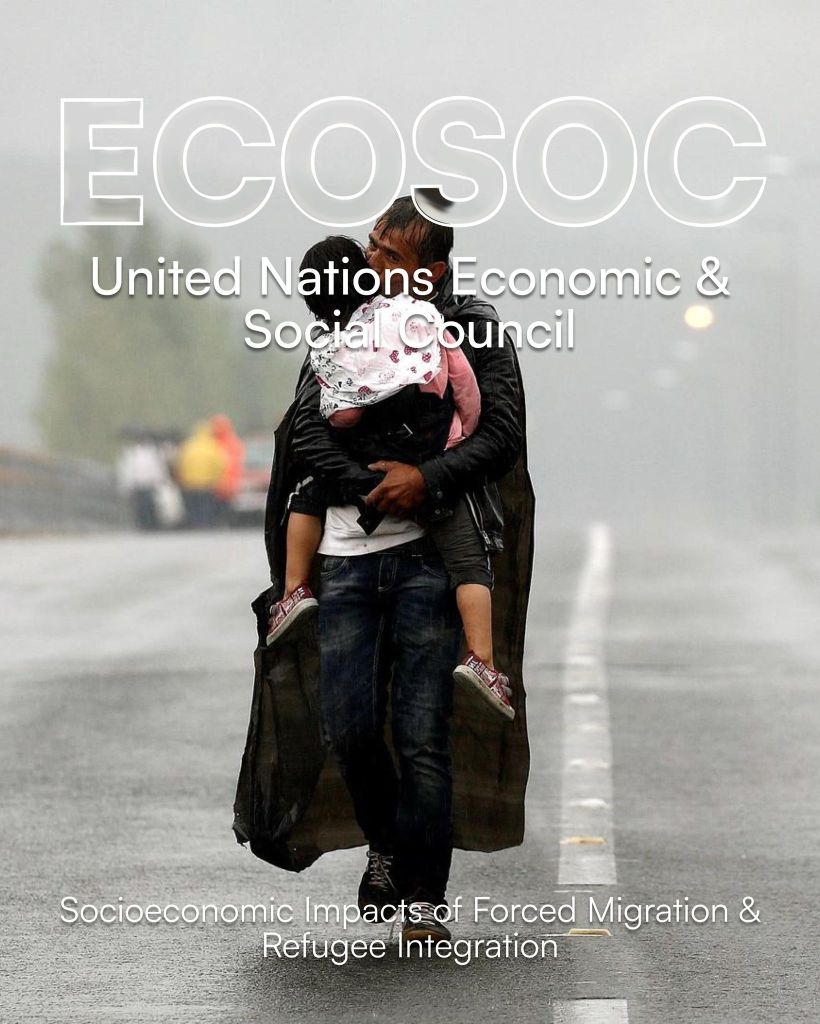
Economic and Social Council
Agenda: Socioeconomic Impacts of Forced Migration and Refugee Integration The Economic and Social Council (ECOSOC) is responsible for coordinating the United Nations’ efforts on global economic development, social progress, and humanitarian cooperation. Under the agenda “Socioeconomic Impacts of Forced Migration and Refugee Integration,” delegates will explore how large-scale displacement affects labor markets, education systems, healthcare, housing, and national economies. This committee will challenge participants to balance humanitarian responsibility with sustainable development, as they design policies that promote social cohesion, economic inclusion, and long-term stability for both refugees and host communities.
 Bilkamun